Puerto Viejo: A Caribbean Coast Day | Costa Rica Travel Professionals
Travel Stories
Puerto Viejo: A Caribbean Coast Day
I woke to the sound of the Caribbean before I could see it. The sea was somewhere beyond the trees, a soft, repeating rush under the morning birds. By the time I stepped outside, the air was warm and a narrow band of light had app
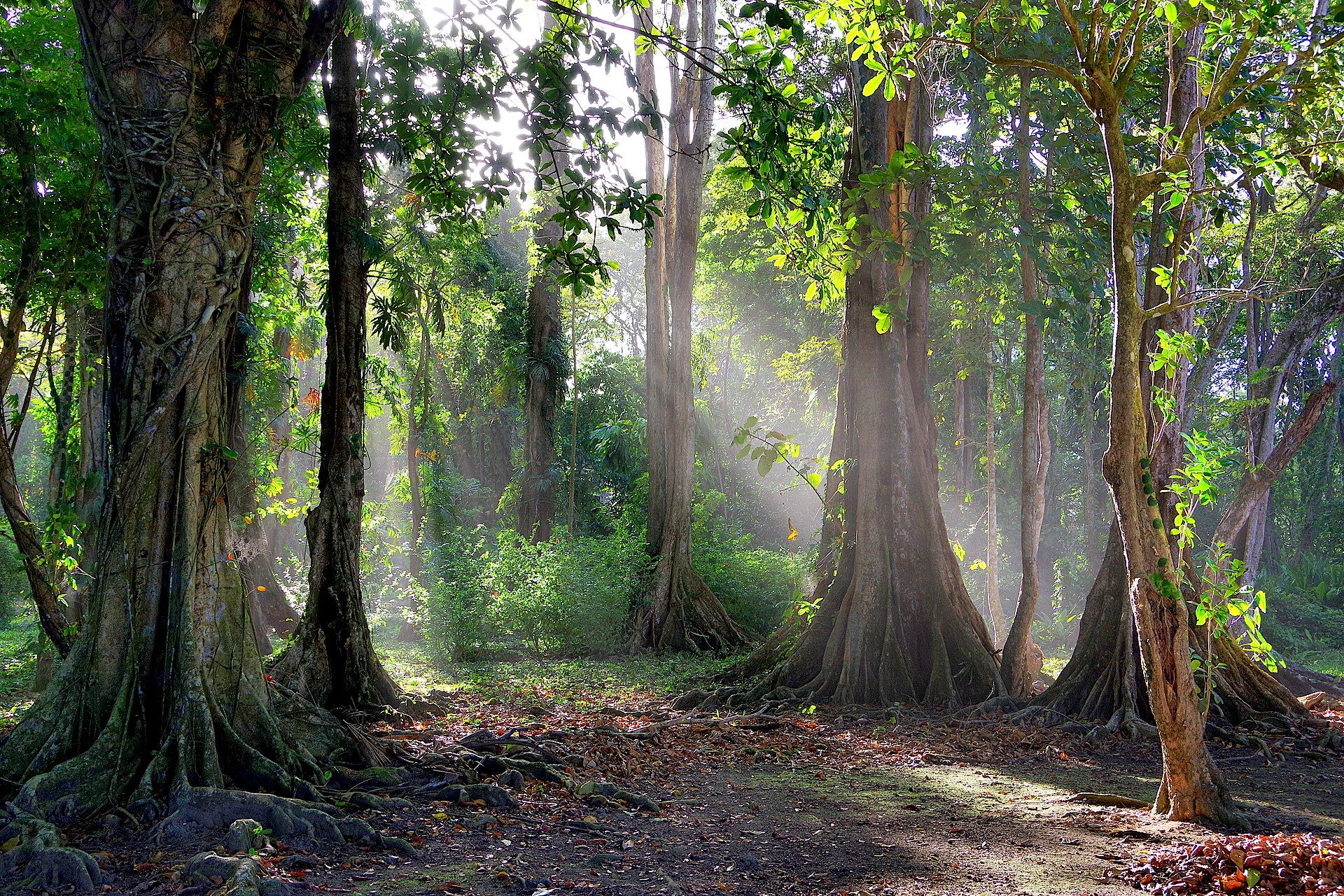
Image: File:Costa Rica - Puerto Viejo de Talamanca (53996236712).jpg by Jan Helebrant, via Wikimedia Commons (https://commons.wikimedia.org/wiki/File:Costa_Rica_-_Puerto_Viejo_de_Talamanca_(53996236712).jpg). License: CC0 (https://creativecommons.org/publicdomain/zero/1.0/). Cropped for display.
I woke to the sound of the Caribbean before I could see it. The sea was somewhere beyond the trees, a soft, repeating rush under the morning birds. By the time I stepped outside, the air was warm and a narrow band of light had appeared above the roofs. Puerto Viejo de Talamanca was already moving into its day. Someone rolled a bicycle past. A kitchen door opened. I had come with a picture of an easy beach town, but the first hour made me want to look more carefully. A place can be relaxed and still hold histories, work and creativity that visitors ought to notice.
The road through town connected little moments rather than grand sights. A bright wall caught the sun. Bicycles leaned against a storefront. I heard music from a distance, then lost it around a corner. I knew the Caribbean coast was celebrated for its Afro-Caribbean cultural traditions, but I did not want to treat a neighborhood as a performance staged for me. I could enjoy the sounds and flavors of a place while remembering that they belong to people with lives beyond a visitor's afternoon. The thought made me slow down and look without turning every detail into a photograph.
Morning on the coast
I walked toward the water before breakfast. The shoreline opened between palms, and the sea looked calmer from far away than it did close up. Small waves folded over one another at the edge. I left my shoes on the dry sand and stood watching for several minutes. I had imagined a beach day as a blank space in an itinerary, a pause between excursions. Here the pause had its own texture. Light shifted on the water, a breeze moved through the trees behind me, and the sounds of town reached the shore in fragments.
I did not enter the water simply because it looked inviting. Coastal conditions change, and a beach can be beautiful without being safe for swimming on every day or at every point. I walked instead, keeping the sea beside me. The sand changed underfoot. In one stretch it was firm enough to move quickly; in another I slowed, letting the small waves reach toward my feet. I liked the freedom of having no finish line. Each time I turned back, the view of town was slightly different.
At breakfast, I chose a seat where I could still hear the sea. The aroma from the kitchen made the morning feel grounded after the dreamy light of the shore. I thought about how food can offer a way into a region's culture, and how easily a traveler can oversimplify it. A dish has ingredients, cooks, family variations and histories. I wanted to enjoy what was in front of me without pretending one meal could explain the Caribbean coast. I took my time, watched bicycles pass and let the day remain open.
As I moved through town again, I noticed the range of people using the same street: travelers searching for breakfast, residents heading somewhere with purpose, someone pausing to talk outside a shop. I could not know their stories from a glance. That uncertainty was healthy. It kept me from writing an imaginary local character into the scene just to make my own day feel more authentic. The place was vivid enough without borrowed dialogue. What I could describe honestly was my response: curiosity, pleasure and the wish to understand more than I would in a single visit.
A road lined with possibilities
South of town, the coastal road suggested other beaches and protected landscapes. I considered how much to fit into one day, then chose to remain near Puerto Viejo for longer. The region rewards exploration, but a journey tailored well is not a race to collect every name on a map. I wanted to feel the transition from the busy center to quieter stretches, to notice how trees sometimes screened the sea and then opened unexpectedly to it again. A short ride can offer that change of scene without requiring a complicated plan.
I paused where the road gave me a view of both forest and coast. The two did not feel like separate attractions. Leaves moved above me while the waves worked steadily below. A bird passed through the gap, too quickly for identification. I thought about the morning's walk and the way the shore had changed with every turn. The day was teaching me a different form of attention from my mountain travels. There, I had listened into mist. Here, the brightness invited me to look at color and movement, but the same patience mattered.
The weather shifted. A cloud crossed the sun, and the vivid sea became a softer gray-green. I found shelter when rain began, waited with other people without inventing a conversation, and watched the road darken. The shower was brief in this imagined day, but its effect was lasting. Leaves shone. The air smelled clean and warm. The coast returned in different colors. I could see why a fixed expectation of perfect sun would leave a visitor disappointed. Change was part of the place's beauty.
Back in town, the afternoon felt slower. I could hear music again, close enough this time to recognize its rhythm but not to know its source. The cultural life of the Caribbean coast extends far beyond what a visitor hears passing by. I reminded myself to seek out experiences led by local people if I wanted to learn more: a conversation entered with humility, a food experience or an event offered on its own terms. I would not call a passing soundtrack an understanding of culture. It was an invitation to listen more carefully.
The value of staying awhile
I spent part of the afternoon seated with a drink, looking up whenever the light changed. It seemed almost unreasonable to devote so much time to one street and one view when so many destinations waited nearby. Yet I was beginning to understand why a slower stay can reveal more than a packed day. The same corner looked different as people came and went. A shop that had been closed in the morning opened its doors. The sea sound grew stronger when traffic thinned. Repetition gave me a small sense of the town's daily rhythm, without making me an authority on it.
I thought about my own habits as a traveler. I often arrive eager to find the image that will summarize a place. In Puerto Viejo, I kept finding scenes that resisted summary. A beach could be active or nearly empty depending on the moment. A street could be bright with movement and then quiet after rain. The region's Afro-Caribbean heritage could not responsibly be reduced to a single meal or a line of music. The complexity did not make the place harder to enjoy. It gave my enjoyment more depth.
At the shore again, I watched someone farther down the beach stop and look out at the horizon. I did the same from a distance. The sky had begun to soften, though the day was not yet over. I imagined how this coastline might fit into a longer Costa Rica journey: a change in temperature, sound and history after mountain forests or the Pacific. I did not want to use it merely as a contrast. Puerto Viejo deserved time on its own terms. Its value was in the particulars of the coast and the community around it.
I stayed long enough for the first evening lights to show through the trees. The shoreline was still visible, but its details were becoming less distinct. Earlier, I had wanted to know what lay beyond the next bend. Now I was content to remain where I was. I thought about the many ways a visitor can support the character of a place: taking time with locally offered experiences, treating homes and businesses as more than colorful background, and leaving the beach as clean as it was found. Those choices seemed small in the moment, which is exactly why they were easy to make.
The sea drew close and retreated. I listened for the bicycles on the road behind the trees, then heard none. For a while the two sounds I had noticed at dawn, birds and surf, came forward again. I liked the way the day had circled back without repeating itself. Morning had been full of expectation. Evening held a little more understanding and far more curiosity. There were local stories I had not heard, places I had not visited and meals I had not tried. A good day did not erase those possibilities. It made me want to return to them with care.
Leaving with a fuller picture
When I walked back through town, the windows glowed and the road was busy again. I could have called the day simple, but that word would have missed its layers. I had walked by the sea, watched rain alter the color of the street and felt the pleasure of remaining long enough for familiar places to change. I had also become more alert to the difference between admiring a culture and assuming I understood it. That distinction mattered to the kind of traveler I wanted to be.
I did not need a dramatic finale. I wanted one more unhurried look toward the shore and then a meal chosen for the pleasure of being here, not for a photograph. The Caribbean air stayed warm as evening settled. Somewhere nearby, people were continuing a day that had begun before I woke and would carry on after I left. I was a visitor in that ongoing life. The thought felt neither distant nor sad. It made the time I had been given more precious.
The next day could have taken me farther along the coast. I might have arranged a locally led cultural experience, spent longer at a beach suited to the conditions or explored a nearby protected area. I liked leaving those choices open. Puerto Viejo had shown me that travel need not be built around a perfect sequence. It can begin with a sound through the trees, follow a road without hurrying and allow a place to be more than the story I expected to tell about it.
I fell asleep with the sea audible again. The sound was much the same as it had been at dawn, but I heard it differently. It belonged with the passing bicycles, the rain on the road, the food I had enjoyed and the questions I had not yet learned to ask. My picture of the coast had become less tidy and more alive. I hoped that any future journey here would begin the same way: with enough time to notice, and enough humility to keep learning.
Before the day ended, I wrote a few lines in my notebook. I did not list attractions or score the beach. I wrote about the way the road changed color after rain and how the sea could be heard even when it vanished behind buildings and trees. I wrote a reminder to seek local voices if I returned and to allow more than a single afternoon for them. Those notes felt more useful than the photograph I had taken in the morning. The picture showed where I had stood; the words reminded me how to arrive better next time.
Editorial note: This first-person story is an illustrative, researched narrative created to inspire travel. It does not describe a documented visit by a Costa Rica Travel Professionals staff member or customer; the narrator, meals, weather and moment-by-moment scenes are imagined.
A world of wonder awaits
Plan your Costa Rica adventure
Tell our destination concierges what you want from Costa Rica, and we will help shape the journey.