Montezuma: Waterfalls and a Coastal Village | Costa Rica Travel Professionals
Travel Stories
Montezuma: Waterfalls and a Coastal Village
I reached Montezuma with the sea on my mind and the waterfall in my notebook. The village had that particular energy of a place where people can move between a coastline and a river landscape in the same day. I had pictured a dire
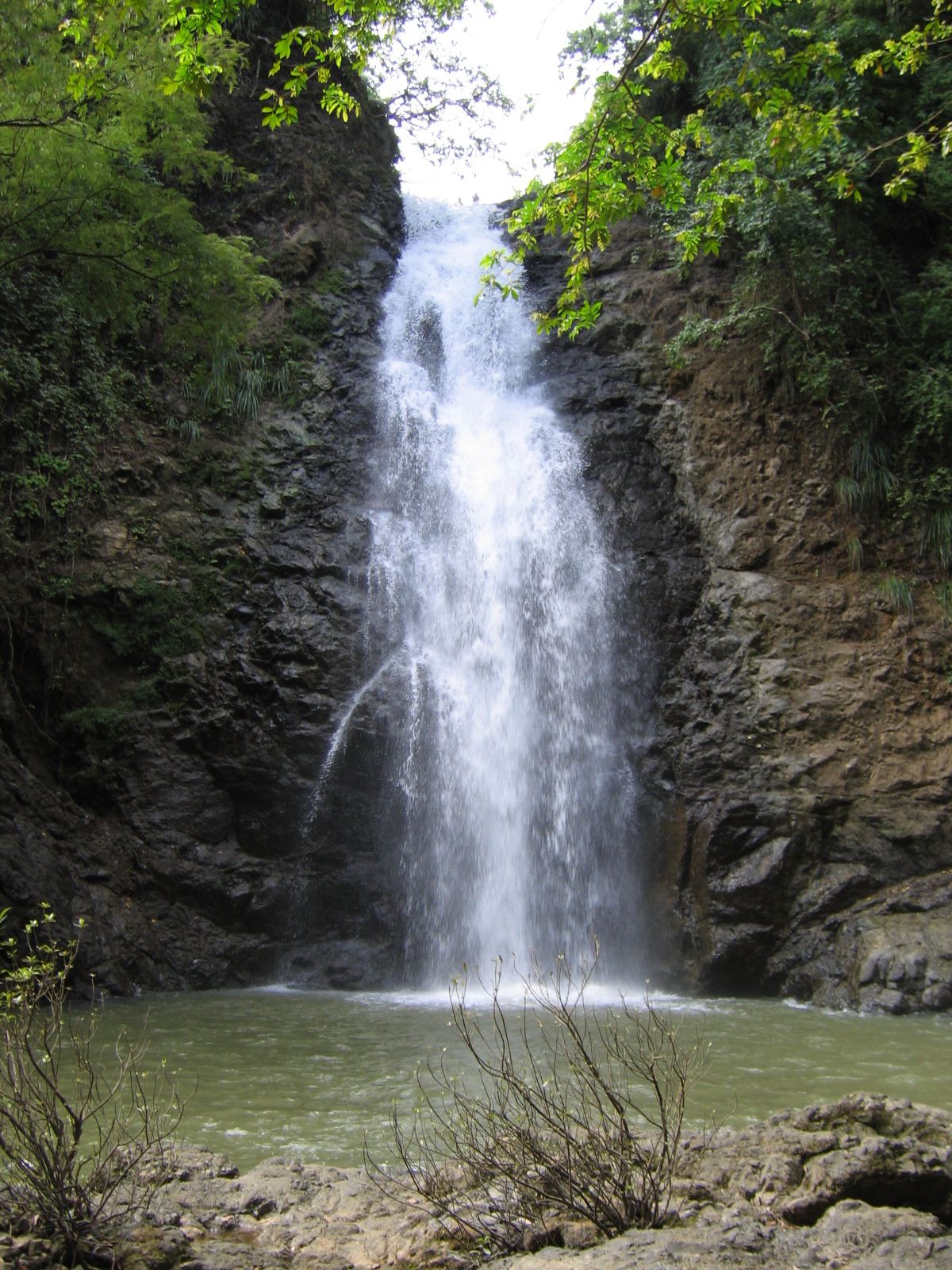
Image: File:Waterfall at Montezuma.jpg by User:Vargob, via Wikimedia Commons (https://commons.wikimedia.org/wiki/File:Waterfall_at_Montezuma.jpg). License: CC BY-SA 3.0 (https://creativecommons.org/licenses/by-sa/3.0/). Cropped for display.
I reached Montezuma with the sea on my mind and the waterfall in my notebook. The village had that particular energy of a place where people can move between a coastline and a river landscape in the same day. I had pictured a direct route: arrive, walk to the falls, return for the beach. Instead I stopped near the center and let the morning settle around me. The sound of a motor faded down the road. Someone opened a doorway. A little breeze moved through the shade. My plan suddenly seemed too tight for a place I had barely begun to see. I found a seat, drank water, and decided to start with the village itself. The waterfall would still be there when I was ready to ask how to approach it responsibly.
Montezuma sits within the larger Puntarenas tourism region, where the Nicoya Peninsula offers beaches and natural areas. That fact had been a line in my research; in person, I understood it as a relationship between places. The coast drew my eye outward. Behind the village, green slopes and river country suggested a different scale and sound. I could not understand either one by racing through it. I took a short walk through the streets, noticing the small adjustments a traveler makes without thinking: stepping aside for someone carrying supplies, pausing where a path narrowed, finding shade before the sun became too strong. These ordinary movements made me feel less like a visitor dropping into a photograph and more like a guest learning the day's terms.
A morning shaped by water
At the beach, I stood back from the surf and watched it change along the shore. The water did not look like an invitation to make assumptions. I had no local knowledge of currents, tides or the safest places to enter, so I was content to stay on land. The coastline was worth my time from that distance. Foam gathered, broke apart and returned. Rocks and sand divided the water into different patterns. The light was still gentle enough for me to see texture in everything. I had come expecting the waterfall to be the centerpiece of the day. The sea offered an early reminder that one destination can hold more than one kind of attention, and that the quieter parts of a visit do not need to be treated as preparation for the main event.
I sat long enough to notice how the village remained present behind me. People were working, arriving, leaving and meeting one another. A travel article can turn that living background into atmosphere, but it is better understood as someone else's daily world. I wanted to enjoy Montezuma without inventing intimacy with it. I could choose local services thoughtfully, ask questions with patience, and leave room for residents to have their own priorities. This felt especially important before a walk to a popular natural site. Trails, pools and viewing places do not exist only for the few hours I might spend there. They are part of a landscape that other people know through seasons, weather changes, maintenance and risk.
Back in the village, I asked for current advice about reaching the falls. I had read that the Montezuma River holds a series of cascades, but a general description cannot tell me what a path is like after rain or which access is appropriate on a particular day. I wanted to know what local conditions required, and whether a guide would make the experience safer and more informative. The answer in this imagined day was simple: proceed conservatively, wear footwear suited to uneven ground, carry water, and be prepared to turn back. I liked that the plan had room for a decision to stop. A waterfall is not a reward that must be earned at any cost. The journey would be worthwhile only if I could make it with care.
Following the river's sound
When I left the village, the change in atmosphere was gradual. Traffic noise fell away; leaves and moving water took its place. The path demanded attention to my feet, so I walked more slowly than I had expected. In travel photographs, a waterfall seems to appear fully formed at the end of an easy approach. On a real outing, even an illustrative one like this, the approach is part of the experience. I noticed the ground, the shade, the intervals of birdsong I could not identify, and the way the river's voice seemed to move closer and farther as the route bent. I did not need to name every species or measure the distance. I needed to keep my footing and stay aware of the conditions around me.
The first clear view of falling water came through foliage. I stopped where I could see it without crowding the edge. The sound was fuller than it had been from the path. Water moved over dark rock, broke into pale threads and gathered below in a restless pool. I felt the familiar impulse to go closer immediately. Then I stayed still. The rocks were wet, and I had no reason to assume that a pool beneath a cascade was safe for swimming. I had come to see and listen, not to prove that I could reach every possible point. From where I stood, the view was enough. The water made the air feel cooler, and the long sound of it changed my sense of time.
I watched for several minutes before taking a photograph. At first the scene looked almost fixed, like the image I had researched before leaving home. Then I began to see changes. A leaf turned in an eddy. A bright patch moved over the rock when a cloud shifted. The water itself never repeated the same shape, though from a distance it seemed constant. This was the reason I had wanted to come: to be reminded that landscapes are active rather than decorative. The falls were not a backdrop for my achievement. They were part of a river system continuing through the village's larger environment, whether or not I chose to visit on a particular morning.
What the trail taught me
On the way back, the path felt different even though I was retracing it. I knew one turn and one uneven stretch now, but I was also more tired. That combination could easily make a traveler careless. I took my time, drank water, and resisted the temptation to hurry toward lunch. A visit to a natural attraction is often summarized by its endpoint. The return deserves equal attention. It is where a good decision can protect the whole day's memory. I was glad I had allowed enough time to move without pressure. If the conditions had been worse, I would have turned back and still had a story about the river and the village. Nothing in the day required me to keep going beyond good judgment.
The shift from river shade into the village's brightness was almost theatrical. Sounds layered together again: conversation, footsteps, a vehicle passing, the sea at a distance. I found a place to eat and let the meal be a true pause. My legs were grateful for the chair. I wrote a few notes while I waited, trying to capture the contrast between the falling water and the more open rhythm of the coast. Both belonged to the same day, but they asked different things of me. At the river I had narrowed my attention to each step and to the immediate ground. At the beach my eyes had widened toward the horizon. Montezuma was giving me a way to move between those scales without making either one feel rushed.
After lunch I did not head straight to another attraction. I wandered a little and let the village become more than the place where I had arranged a walk. I noticed practical details: where shade collected, how far I had gone before needing water, which turns now felt familiar. These small forms of knowledge do not make me an expert. They do make a short visit more grounded. I thought about how I would speak of Montezuma afterward. I would not describe a secret paradise waiting for discovery; the village has a life and a history independent of any visitor. I would say that it offered a memorable meeting of river and coast, and that the best part of my day came from allowing enough time to experience both.
Returning to the sea
By late afternoon I wanted to see the ocean again. The light had changed since morning, softening the edges of the shore. I found a quiet place to sit and listened to the waves after so much time hearing the falls. They were different sounds. The cascade had held a continuous, concentrated force. The surf arrived in long phrases with spaces between them. I let the contrast settle without trying to decide which I preferred. A trip can be richer when I stop ranking its moments. The waterfall had sharpened my senses; the beach gave them room to expand. Together they made an experience I could not have understood from either place alone.
I watched a cloud cross the sky and remembered the photograph I had taken at the falls. It would show water, rock and foliage, but it would not capture my caution at the path's edge or the calm that followed when I chose to stand still. Images can invite us toward a place; they cannot replace the decisions we make when we arrive. That felt like a useful lesson for planning a future visit. I would ask about current trail conditions, choose suitable footwear, allow time for the return, and treat the water with respect. I would also leave an open hour in the village, because the unscheduled interval had been as important as the famous cascade.
As evening approached, more people found their own places by the coast. I had no need to make their presence part of my story. I focused on the changing water and on the way the day's two walks met in my memory. I felt pleasantly tired, but not depleted. The difference mattered. I had seen what I hoped to see without forcing the day to fit a rigid plan. If the weather had turned, the route might have changed. If the falls had been inaccessible, the village and shore would still have deserved my attention. This was a better kind of inspiration than a guarantee. It made space for the actual conditions of travel.
The memory I carried away
The next morning I left with a clearer sense of what had made Montezuma memorable. It was not simply the fact that a river has cascades nearby or that the village stands near the Pacific. It was the movement between those places: from open light to green shade, from the measured sound of surf to the concentrated sound of falling water, from a planned outing back to an unplanned meal and an evening by the shore. Each part gave the others meaning. I could imagine returning and having a different day entirely, shaped by new weather, new advice and a different pace. That possibility made the place feel more real than any perfect itinerary could.
I also carried a practical lesson. Natural sites ask for more than excitement. They ask visitors to notice current conditions, respect guidance, stay on appropriate routes, and accept that a beautiful pool or rock ledge may be unsafe. I would share that with anyone drawn by a waterfall photograph. The beauty is not diminished by caution; caution lets the beauty remain part of a good memory. The same care belongs in the village, where choosing how to spend time and money is one way of acknowledging the people who make travel possible. I had come looking for a view. I left thinking about relationships: between river and sea, visitor and community, curiosity and restraint.
On the road away, I pictured the waterfall continuing its descent and the waves continuing to reach the coast. Neither needed me there to complete the scene. For a brief time, I had been able to move between them and pay attention. That was enough to make the day feel expansive. Montezuma did not give me a claim to a place; it gave me a reason to travel more thoughtfully. The next time a famous natural sight appears in my notebook, I hope I remember this journey and leave space around it: time to ask, time to walk carefully, time to sit afterward, and time to let a village be more than the entrance to an attraction.
Editorial note: This first-person story is an illustrative, researched narrative created for travel inspiration. It describes an imagined trip, not an actual visit by a Costa Rica Travel Professionals staff member or customer. Check current local trail and water conditions before planning a waterfall visit.
A world of wonder awaits
Plan your Costa Rica adventure
Tell our destination concierges what you want from Costa Rica, and we will help shape the journey.